|
Welcome to the third edition of the TALOS Newsletter. During 2025, the TALOS project has continued to evolve, moving from system development to testing, integration, and real-world demonstration across its pilot sites.
This year has marked a turning point: the project’s technologies are no longer confined to lab settings but are actively operating in the field, informing practices and generating new insights.
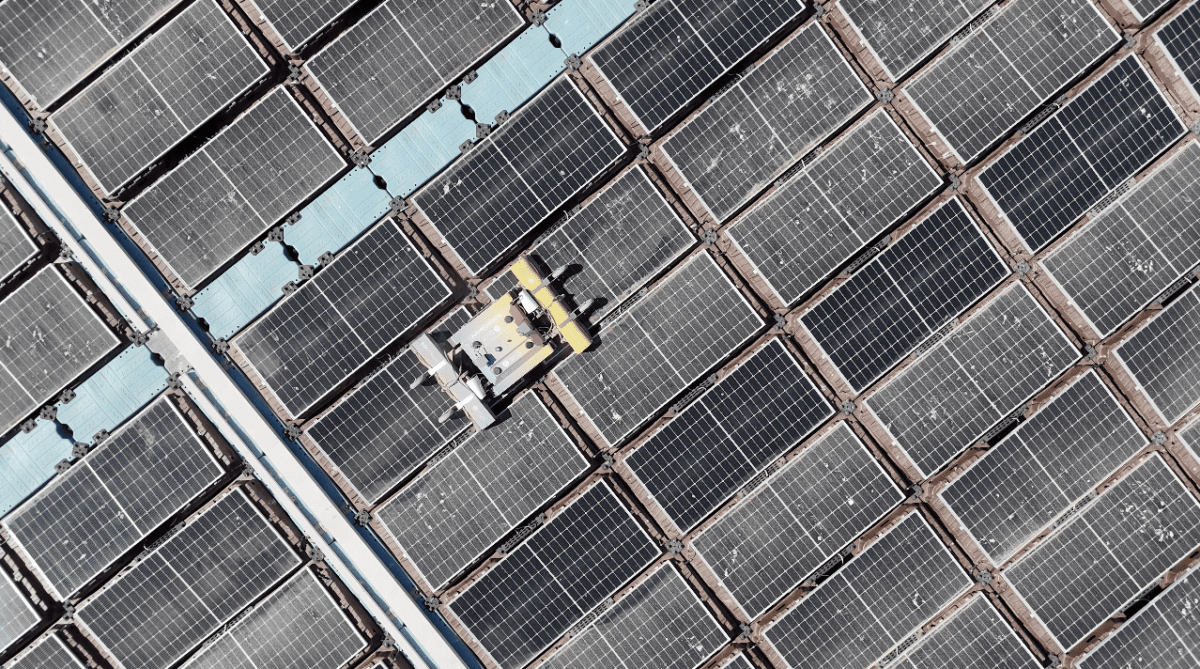
From advanced cleaning robots deployed in large-scale PV plants, to drones supporting inspection in floating solar infrastructures, to smart platforms orchestrating entire operations. TALOS is proving how robotics and AI can transform maintenance and monitoring in the renewable energy sector.
This edition brings you a closer look at:
- The progress achieved at each pilot site
- The contribution of the 12 projects selected through the Open Call
- Our participation in key events and communication activities
Let’s dive into the latest updates and discover how TALOS is helping shape the future of PV operations in Europe. |
| |
|
Robotics, platforms & pilot progress – A year of deployment and integration
|
| |
|
As TALOS approaches the final stretch of 2025, the project continues to scale up its real-world testing and integration activities across diverse pilot sites (floating PV, agri-PV, and land-based plants). From precision cleaning robots to intelligent orchestration platforms, our collaborative efforts are turning innovation into impact.
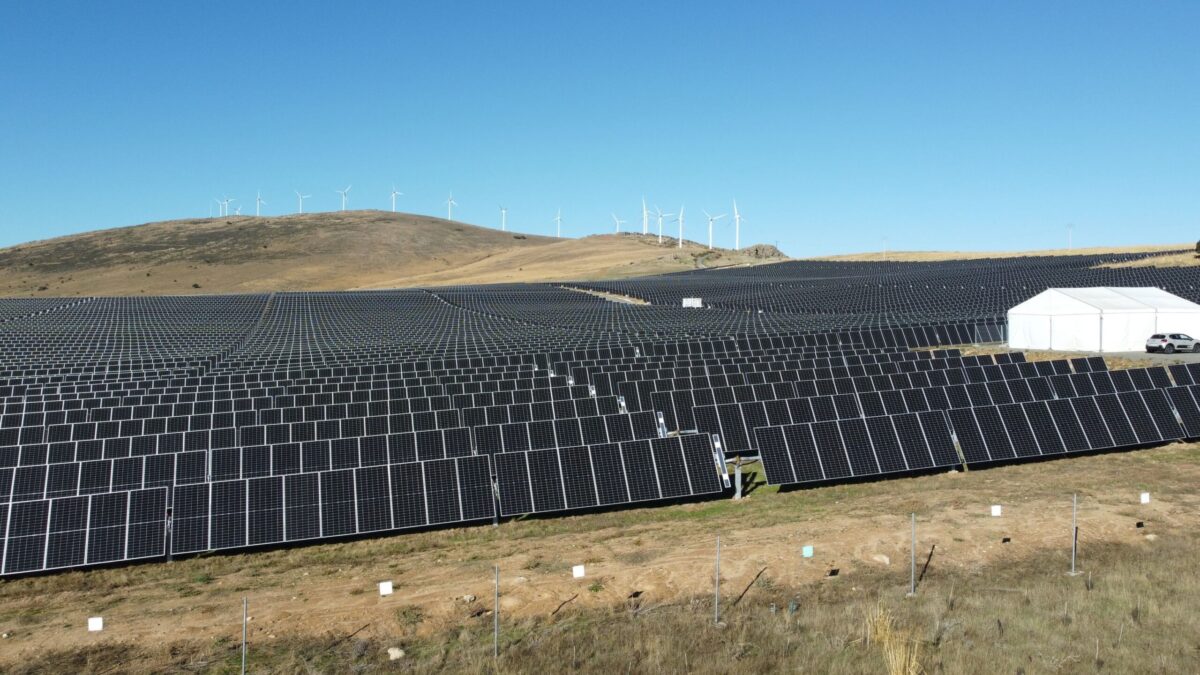
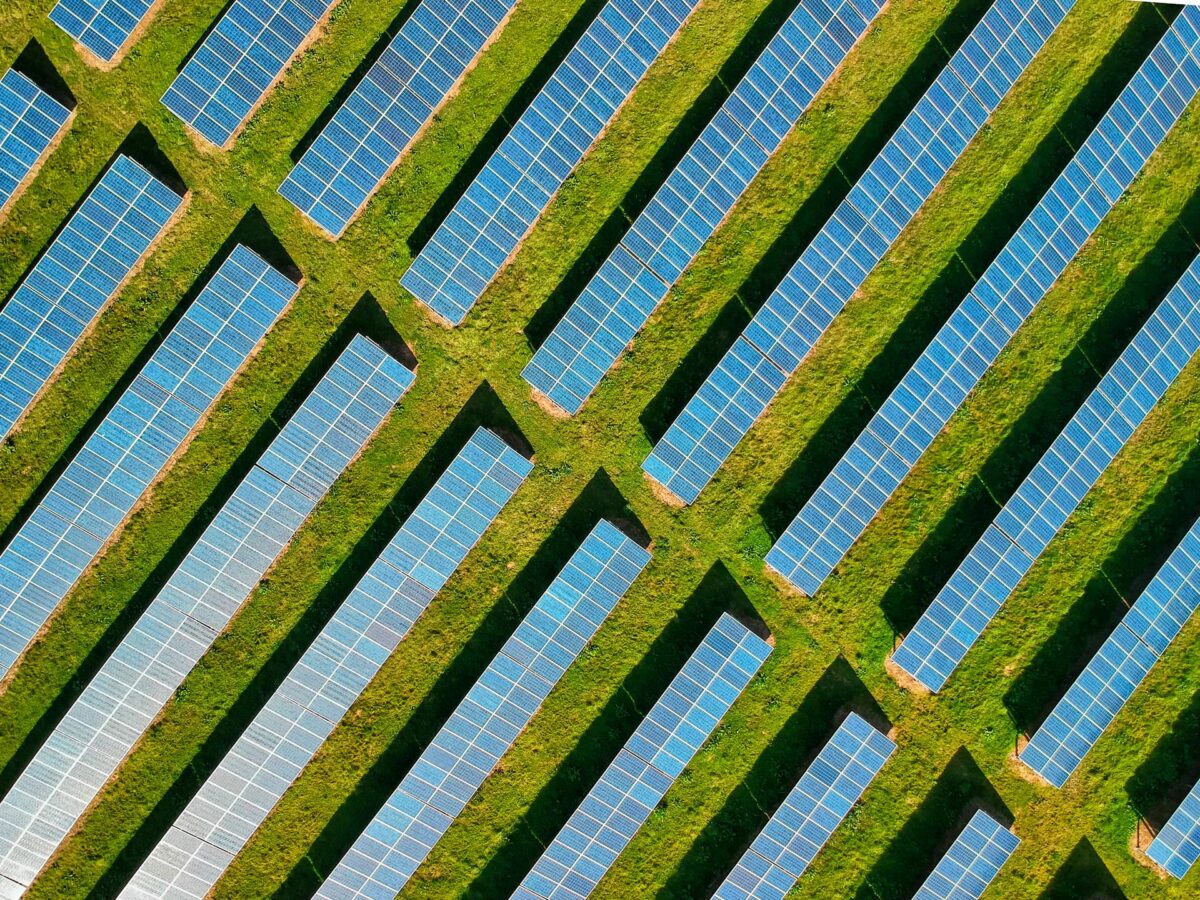
In Segovia (Spain), EDP’s Cruz de Hierro and Villacastín plants are pioneering large-scale testing of autonomous PV panel cleaning and vegetation mowing systems, supported by AI-driven control hubs. As highlighted in our recent feature “Robotics and AI propel sustainable future at EDP Segovia’s PV pilot sites”, these pilots are improving safety and operational efficiency. |
| |
|
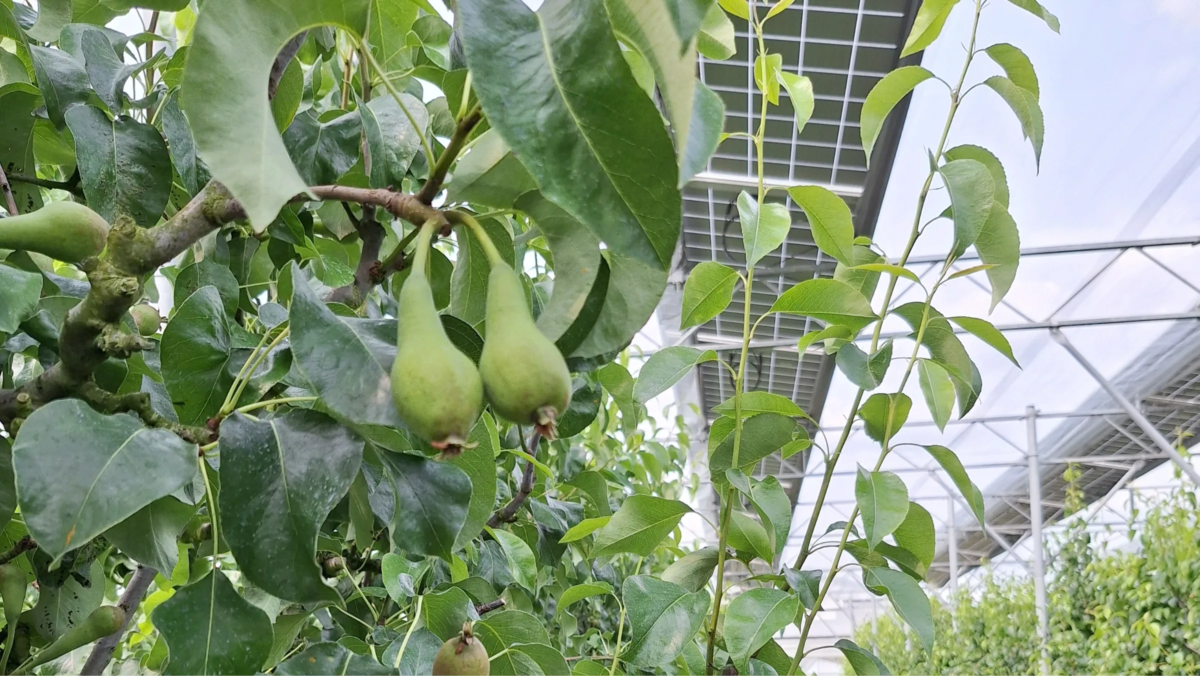
Meanwhile in the Netherlands, our agri-PV pilot is transforming traditional orchards into testbeds for smart farming. Working with Open Call partners, robotic grippers and predictive farming models are now part of daily operations, supporting precision agriculture beneath the solar canopy. |
| |
|
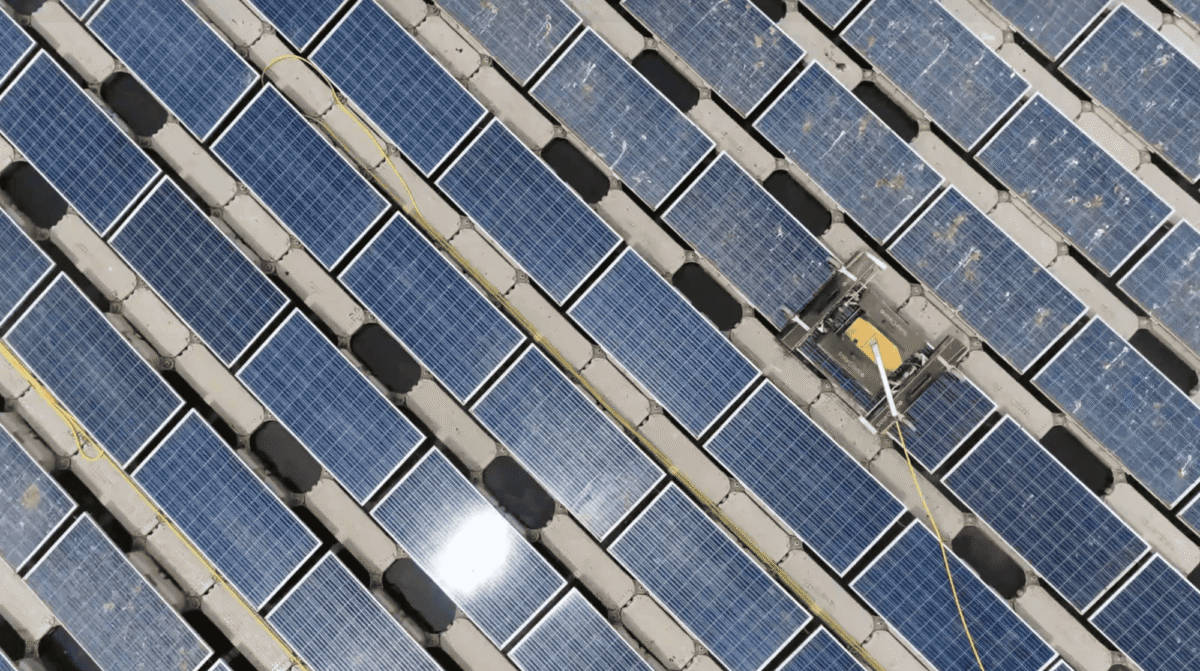
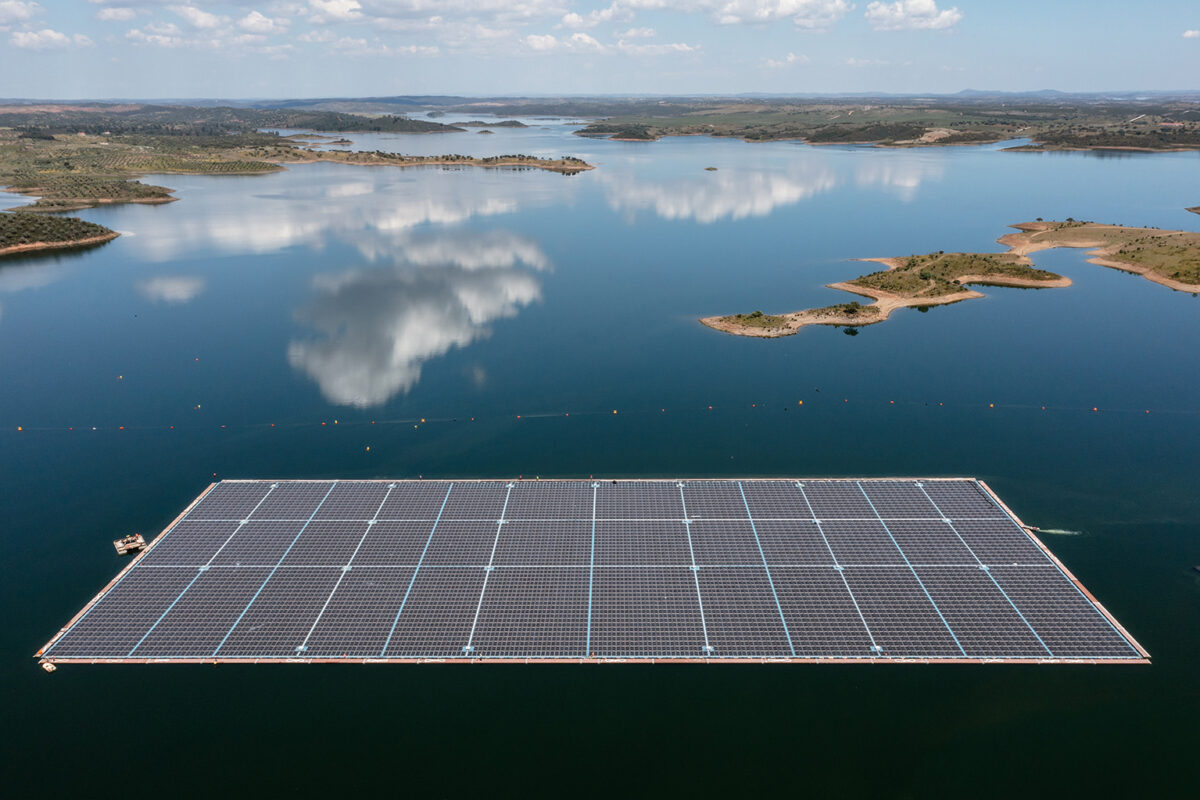
Our floating PV pilots are also pushing boundaries. As explored in the article “When solar floats” TALOS is tackling key challenges in scaling floating renewables through autonomous underwater inspections and real-time fault detection technologies. |
| |
|
These diverse applications are all integrated and managed through the TALOS platform, a unified interface allowing stakeholders to assign missions, teleoperate robots, and monitor performance across sites. |
| |
|
Meet the Open Call champions
|
| |
|
Back in March, we announced the selection of 12 high-potential projects through the TALOS Open Call. These innovators are now active collaborators, extending our reach into advanced AI, XR, drone-based inspection, smart farming, and biodiversity monitoring.
Here’s a snapshot of just a few:
- EXPERT (by Xilbi) and CLARO-XR (by Carbon Games) are delivering immersive AR/VR interfaces integrated with our platform, enhancing situational awareness and mission planning.
- TERRA (Presence XR) is enabling full remote operation and monitoring of PV plants.
- ATHINA (Plegma Labs) supports biodiversity protection through AI-powered species tracking.
- EL-INSPECT and BVLOS RAISI are deploying UAV-based inspection in challenging environments, including floating and large-scale PV parks.
- SUNNY and PVgrow support agri-PV optimisation with forecasting, crop planning, and energy-agriculture synergies.
To explore all Open Call projects and their solutions, check out our dedicated Community Digest. |
| |
|
TALOS joins ENLIT 2025: Real-world robotics, real-time insights
|
| |
|
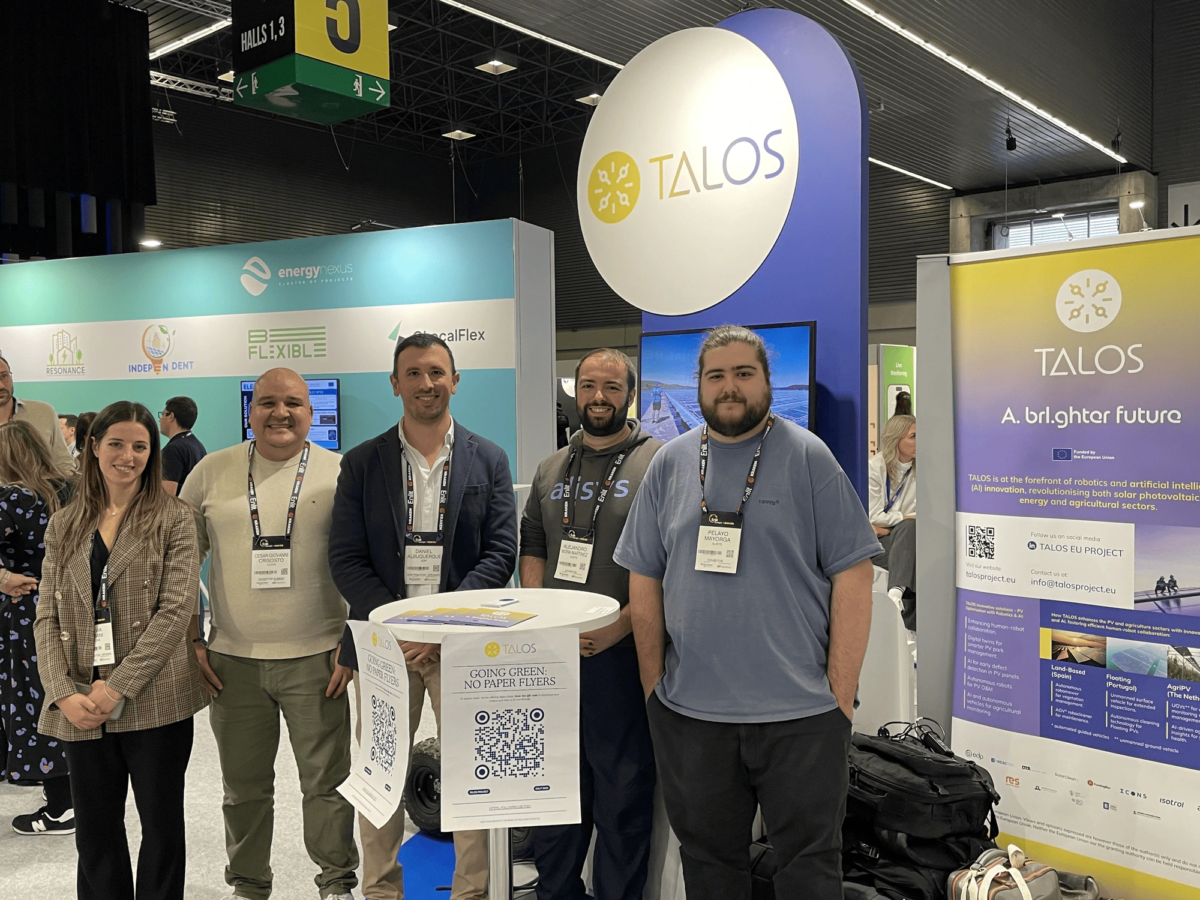
From 18–20 November, the TALOS project was present at ENLIT Europe 2025 in Bilbao, Spain — one of the leading energy events in Europe. Featured in the EU Projects Zone (booth F30-EU09), TALOS showcased its integrated solutions combining robotics, AI, and digital platforms for the optimisation of solar photovoltaic operations.
Visitors were able to see a robot in action, the an Alisys prototype, integrated into the TALOS platform and operated remotely, highlighting the project’s vision for automated and intelligent solar field maintenance. As discussed during the “Digital Technologies for RES” session, these technologies mark a concrete step towards making solar energy smarter, safer, and more efficient.
ENLIT offered an excellent opportunity for TALOS to connect with key stakeholders from the renewable energy and digital innovation sectors, gather feedback, and strengthen collaborations for the next phases of demonstration and deployment. |
| |
|
Thank you for a great year!
|
| |
|
With the conclusion of a dynamic 2025, TALOS moves steadily toward its next milestones: multi-robot integration, enhanced platform functionalities, and demonstrations across all pilot sites. The collaboration across partners continues to be the backbone of our success, as we move from early deployments to real-world validation.
The coming months will see the rollout of key testing phases, new collaborations with Open Call-funded projects, and expanded engagement activities.
We invite you to continue following our journey, sharing your insights, and helping us shape the future of robotic, AI-powered operations in solar energy. From floating PV installations to Agrivoltaics and land-based systems, TALOS is paving the way for a more efficient, autonomous, and sustainable renewable energy sector.
Don’t forget to visit our website for news and updates: https://talosproject.eu |
| |
|
|
|
Funded by the European Union. Views and opinions expressed are however those of the author(s) only and do not necessarily reflect those of the European Union. Neither the European Union nor the granting authority can be held responsible for them.ou should change |
|
|
| |
|